Enzymes for beverage co-packers: clarity, flow and filtration across every SKU
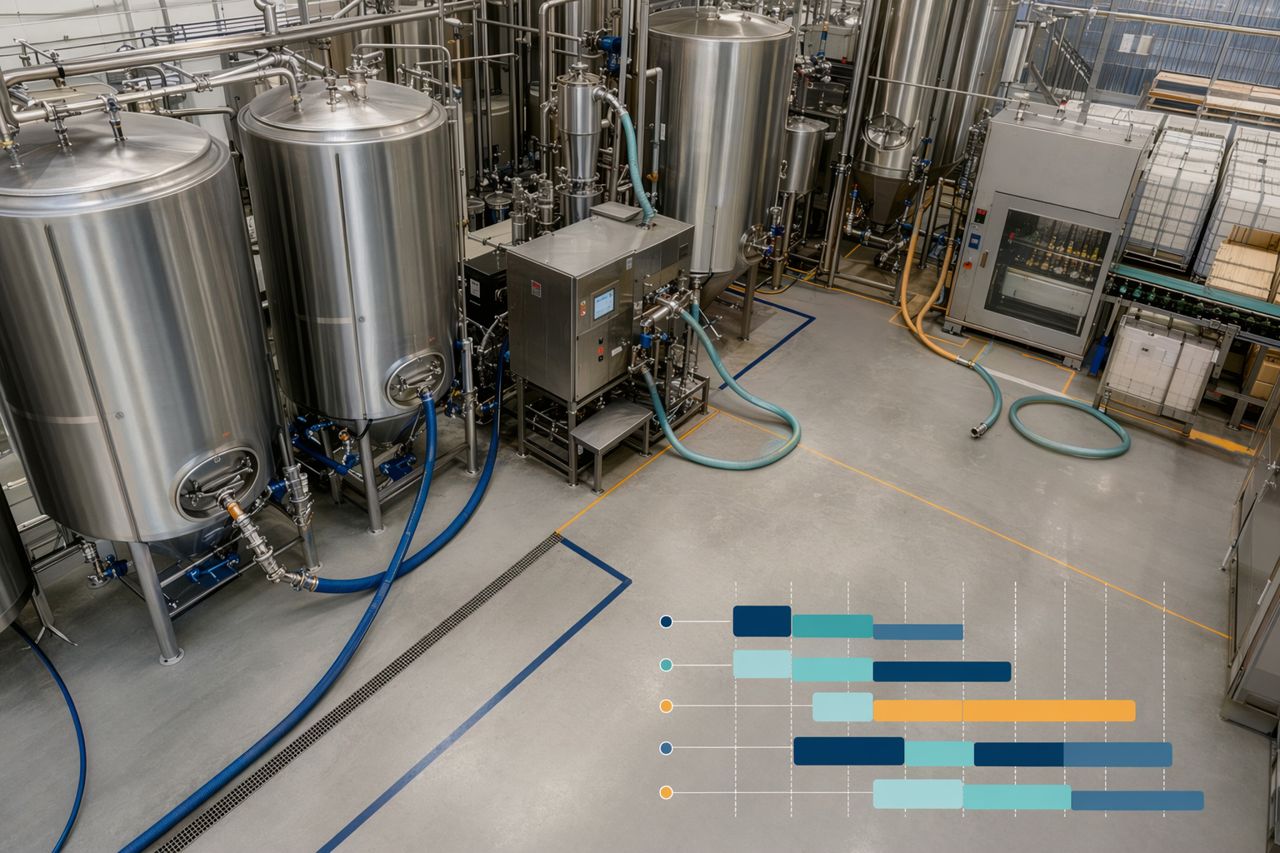
Contract beverage plants do not have the luxury of slow trials, vague dosing guidance, or ingredients that behave differently from tank to tank. Enzyone supplies beverage enzyme solutions for co-packers running juices, teas, cider-style drinks, functional beverages, botanical blends, and hybrid SKUs where clarity, viscosity, filtration, and schedule discipline all matter.
We work with the business side of beverage production: co-packers, beverage manufacturers, ingredient distributors and resellers who buy enzymes for repeat production, not for a one-off lab test.
Wholesale and bulk supply for co-packers, beverage manufacturers and resellers. Tell us the product or enzyme type, the quantity you expect to buy and the destination country, and we will come back with a quote. Pack size, documents and delivery terms are quoted per order. Request a quote
Who we supply
- Contract beverage plants (co-packers) running many customer formulas on shared lines
- Beverage brands that need an enzyme step written into their co-packer tech pack
- Juice, tea and botanical-drink manufacturers with their own production
- Ingredient distributors and resellers who need a dependable enzyme source for beverage customers
Built for plants running multiple beverage SKUs
A co-packer may move from a tea concentrate to a juice blend to a functional beverage in the same production window. Each product can bring different pectin load, starch contribution, fruit solids, botanicals, gums, fibers, suspended particles, or haze-forming material.
Our enzyme supply model is designed for that reality:
- Bulk beverage enzymes available by the kilo for production planning
- Clear application guidance by beverage type and processing goal
- Trial support focused on tank behavior, filtration impact, and finished-product clarity
- Documentation aligned with ingredient review and customer onboarding
- Responsive support for plants balancing uptime, changeovers, and customer deadlines
Why a pectinase that meets its activity spec can still disappoint in the tank
Many plants choose a pectinase on two numbers only: the stated enzyme activity and the price. That is the most common buying mistake, because the activity can be on spec while the production result still falls short when the product does not fit the plant's own raw material and process. What decides the result is the match between the enzyme and the raw material, the existing process conditions (pH, temperature and reaction time) and the target the batch has to reach. The two complaints juice plants raise most, slow clarification and heavy sediment later on, usually come from a dose and reaction conditions that were never matched to the fruit, not from a poor-quality enzyme.
For a co-packer this weighs more than for a single-brand juice plant, because the raw material changes with every customer formula. Pectinase breaks down pectin, lowers juice viscosity, lifts juice yield and improves clarity and stability, and that carries through to quality and mouthfeel. Different fruit raw materials and production processes put different demands on the pectinase, so the stronger route is a product tailored to the specific juice and process rather than one general product for everything. Tailoring covers the enzyme formula, the blend of enzymes used together, and the optimisation of the enzyme step and its application conditions.
| How the enzyme is bought | What the plant tends to see | What to ask the supplier for instead |
|---|---|---|
| On activity figure and price only | Activity on spec, yet slow clarification and sediment that shows up later | A recommendation tied to your raw material, pH, temperature and reaction time |
| One general product for every fruit | Results that change with the juice raw material and the process | A blend designed for the juice type and process you run |
| Delivered with no trial path | Problems discovered on the production floor | Support from bench trial through pilot scale to full production |
A supplier that is worth a co-packer's line time works through the same sequence before the first production batch:
- Diagnose the need: raw material, current process and the result the batch must reach.
- Make a first product selection.
- Design a small bench trial.
- Adjust the blend ratio and the process parameters from the trial results.
- Stay involved through pilot and full-scale runs, including diagnosing problems on site when they appear.
Send us your raw material, process conditions and target with your request, and we will propose a trial plan and a quote.
Where beverage enzymes protect throughput
Haze control before it becomes a callback
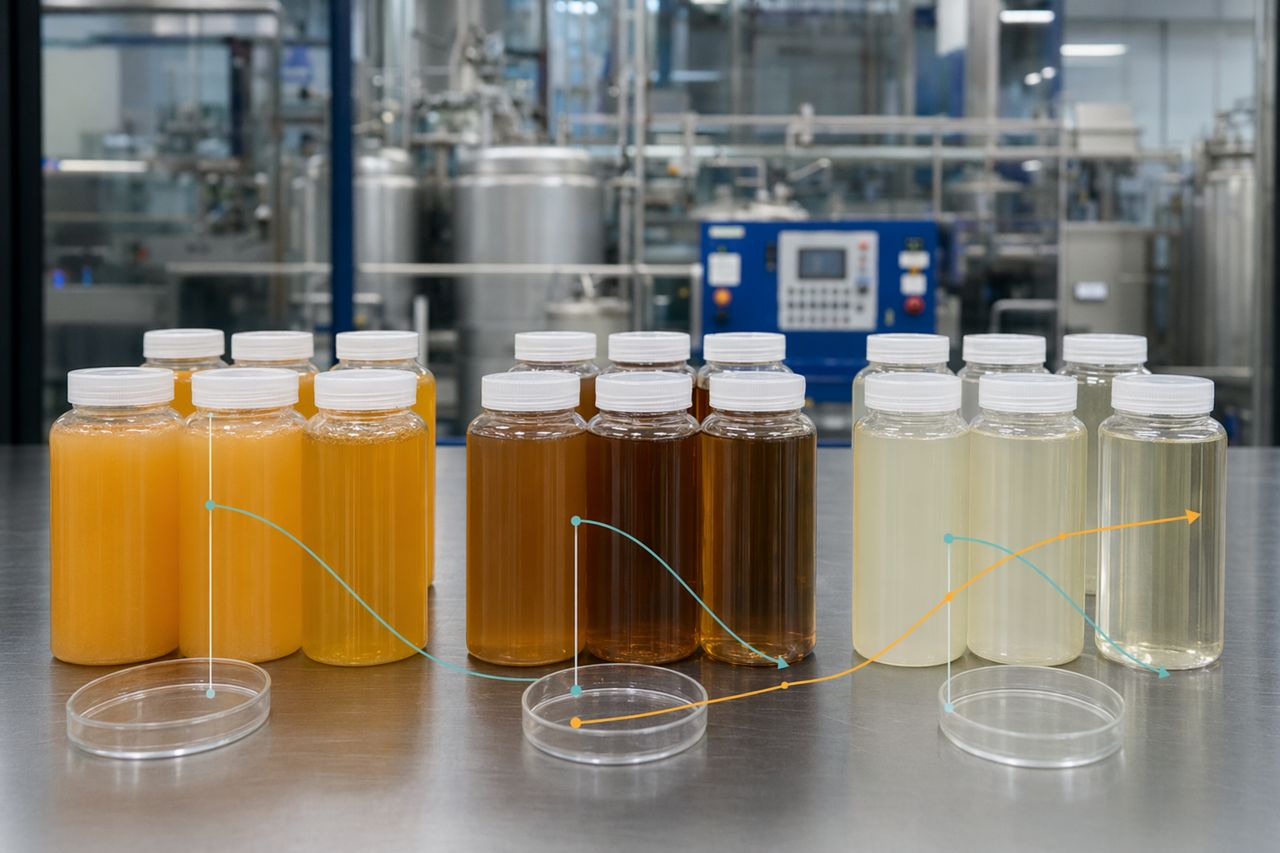
Haze problems can show up late: after chilling, after hold time, after pasteurization, or after finished cases are already in distribution. Enzymes can help reduce haze-forming contributors before packaging, giving QA and operations a better chance of releasing product with confidence.
Common targets include:
- Pectin-related cloud instability in fruit systems
- Starch contribution in grain-adjacent or botanical beverages
- Protein-polyphenol haze risk in tea and hybrid drinks
- Suspended solids that complicate visual release standards
Viscosity management for faster tank turns
High-viscosity blends slow pumps, drag down heat transfer, extend tank cleanout, and complicate transfer timing. The right enzyme approach can reduce problematic viscosity so batches move more predictably through the plant.
That means better control over:
- Blend tank release timing
- Transfer and recirculation behavior
- Heat exchanger consistency
- Screen loading and filterability
- Downstream packaging readiness
Filtration relief without rebuilding the process
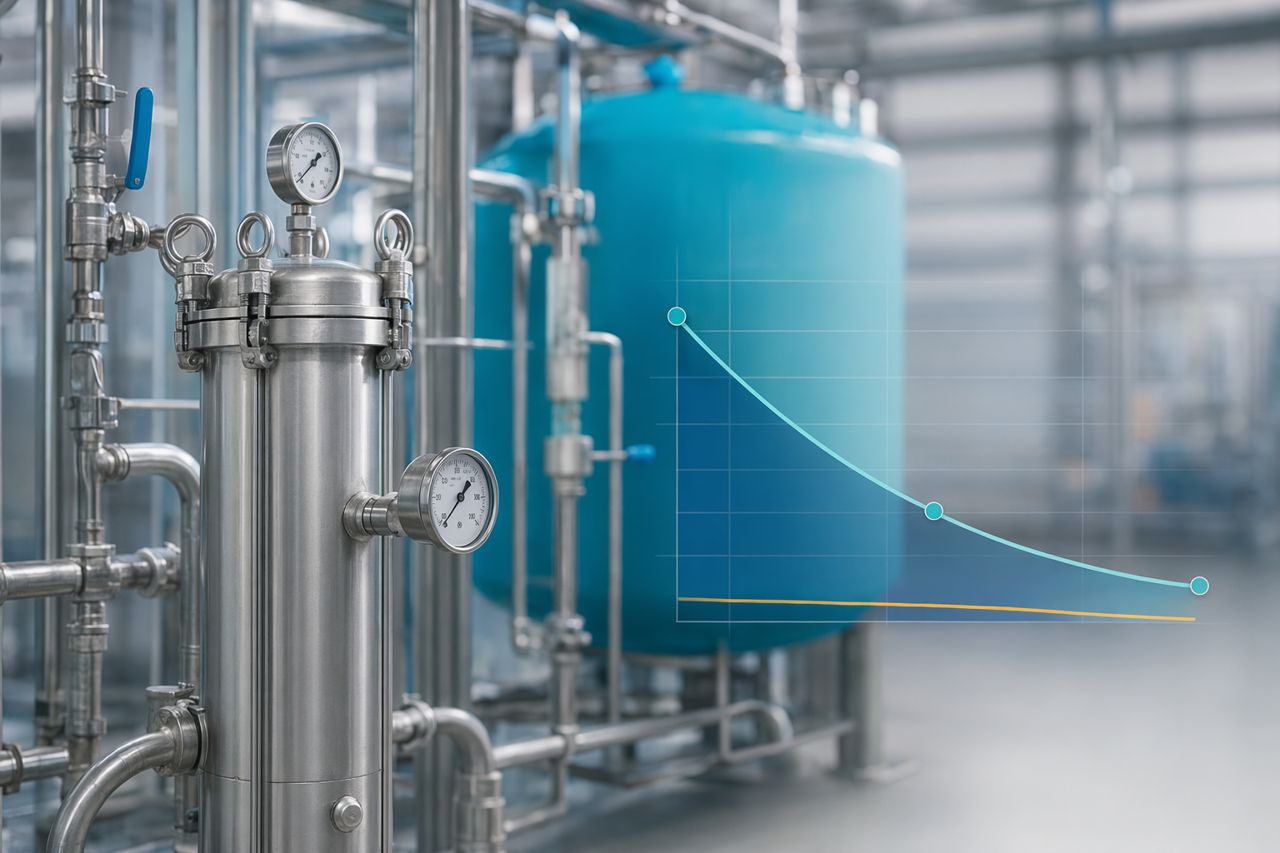
When filters blind early, the schedule pays for it. Beverage enzymes can reduce load on filtration steps by breaking down specific plant-derived materials that create drag, pressure rise, or premature media changeout.
For co-packers, the value is practical: fewer surprises between batching and packaging, less firefighting during handoff, and more stable assumptions for run planning.
Enzyme categories for beverage co-packing
Enzyone supports beverage processors with enzyme types selected around production outcomes, not lab jargon.
Pectin management
For fruit juices, cider-style beverages, fruit teas, agua fresca-style products, concentrates, and blends where pectin can increase viscosity, hold haze, or reduce clarification speed.
Starch and dextrin management
For beverage systems where grain, botanical, or plant-derived ingredients contribute starch-like load that can create haze, instability, or filtration difficulty.
Cell wall and fiber reduction
For vegetable-fruit blends, botanical extracts, pulpy systems, and functional beverages where plant solids affect texture, release timing, and separation behavior.
Tannin and polyphenol haze
For tea, coffee-adjacent, herbal and botanical beverages where tannin and polyphenol interactions can cause haze after chilling or storage. Because tannase can change both appearance and taste, trials should check stability and sensory profile before a production change.
Clarification support
For operations that need a more predictable path from blend tank to bright tank, centrifuge, filtration, or final polish.
How we support a plant trial
A good enzyme trial should not become a science project that disrupts production. We help structure evaluations around the realities of a contract beverage plant.
Trial inputs we help define
- Beverage matrix and target issue
- Current hold time, temperature window, and process sequence
- Desired outcome: clarity, viscosity reduction, filtration relief, yield improvement, or callback reduction
- Practical dosing point within existing batching or treatment steps
- Measurements your team already uses for release decisions
Trial outputs your team can use
- Recommended starting range for plant validation
- Process notes for timing, mixing, and treatment sequence
- Observed impact on tank behavior, filter loading, and visual clarity
- Documentation for internal QA and customer review
- Scale-up guidance for repeat runs
Five questions every trial should answer
- The production problem: haze, slow filtration, high viscosity, uneven settling, sediment, extraction yield or harsh taste?
- The beverage matrix: which fruit, tea, botanical, grain, stabiliser or functional ingredient drives the behaviour?
- The process window: where can the enzyme step sit without disrupting batching, heat treatment, chilling, filtration or filling?
- The success criteria: filter life, clarity, viscosity, tank turnover, hold behaviour or finished appearance?
- The documentation path: which records the plant needs for internal approval, customer approval and repeat production.
Designed for contract beverage buyer needs
Your purchasing team needs more than a catalog line. Your production team needs more than a technical data sheet. Your QA team needs confidence that the ingredient can be documented and repeated.
Enzyone gives beverage co-packers a cleaner path from quote to trial to production use:
- Quote support by enzyme type, pack size, and forecasted demand
- Bulk ordering by the kilo for pilot, validation, and recurring production
- Lot-level documentation for receiving and quality files
- Application guidance written for plant teams
- Responsive communication when a customer formula changes late
Use cases we commonly support
- Juice blend clarification before filtration
- Tea beverage haze reduction
- Cider-style drink processing support
- Functional beverage viscosity reduction
- Botanical beverage clarification
- Hybrid fruit-tea SKU stabilization
- Pulpy beverage process improvement
- Co-packer trial standardization across customer formulas
Why Enzyone
We speak in production consequences: tank time, filter behavior, changeover risk, haze complaints, and whether the next SKU starts on schedule.
Our role is to help your plant make enzyme decisions that are repeatable, documented, and commercially practical. No vague biotech promises. No overbuilt trial plans. Just beverage enzyme supply and process support aligned with how co-packers actually run.
Request a quote
Wholesale and bulk enzyme supply for co-packers, beverage manufacturers and resellers is handled by quote. To get a useful answer on the first reply, send:
- The product or enzyme type, or the problem you need to solve (haze, viscosity, slow filtration, low yield)
- The beverage and its main raw materials
- Your process conditions: pH, temperature and the hold time you can allow
- The quantity you expect to buy per run or per year
- The destination country for delivery
- The documents your QA team or customer needs
Pack size, pricing and delivery terms are quoted per order.